Rite of the Intemerate
Author: Tiago Bonifácio
Lore Article
Rite of the Intemerate
Author: Tiago Bonifácio
“Yes, our ranks indeed number the fewest amidst the Rites, but how many of them can be certain, as we are, of the purity of their flock? When the Valcarists opened the doors to the faithless, they allowed in the filth of the Striga, while Legacies have welcomed the unworthy into the embrace of the Rite of Honor. The Penitent may attempt to cleanse the faithful of their sin, but we know some souls can only be purified by death. We are absolute purity, and we will suffer not the unclean.”
— Septas Iustus of the Rite of the Intemerate
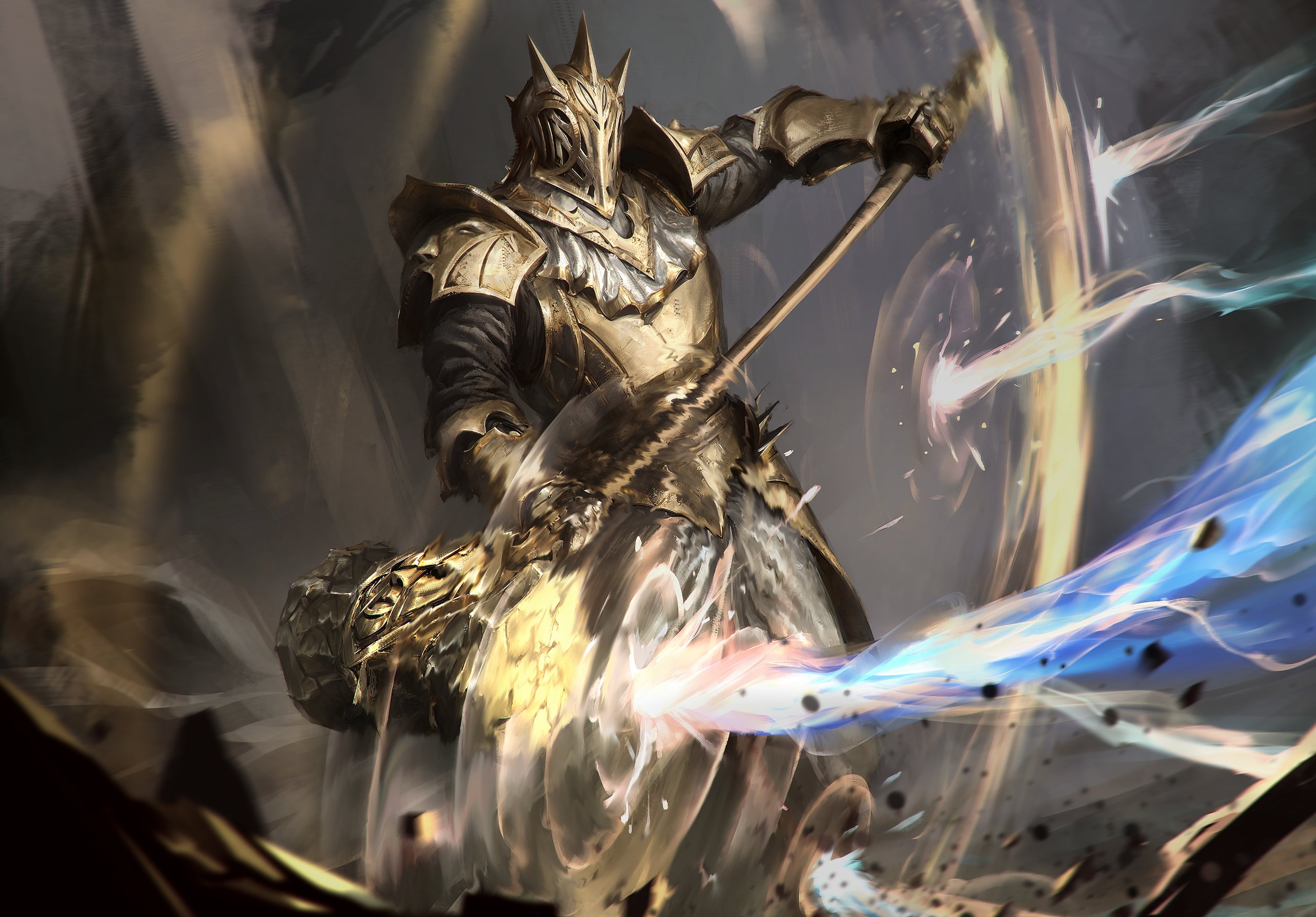
The Rite of the Intemerate was created shortly after the dawn of the Age of Legacy, the first to be created by the decree of the existing Rites. It was born not from a divine mandate such as the Rites of Law, Valcaris, and Penitence, nor was it brought into the fold, such as the Rites of Honor and Forge. The Rite of the Intemerate was born from a simple yet all-consuming necessity for the Order of the Shattered Throne at the time: to oppose all magic not blessed by the Triumvirate and destroy its practitioners, the Striga. The most righteous member of the faithful was selected to become the Lucidi Purity and bonded with a shard of the Throne. Purity then chose the most incorruptible of the faithful and blessed them with the power to stand against the evil magic they so hated.
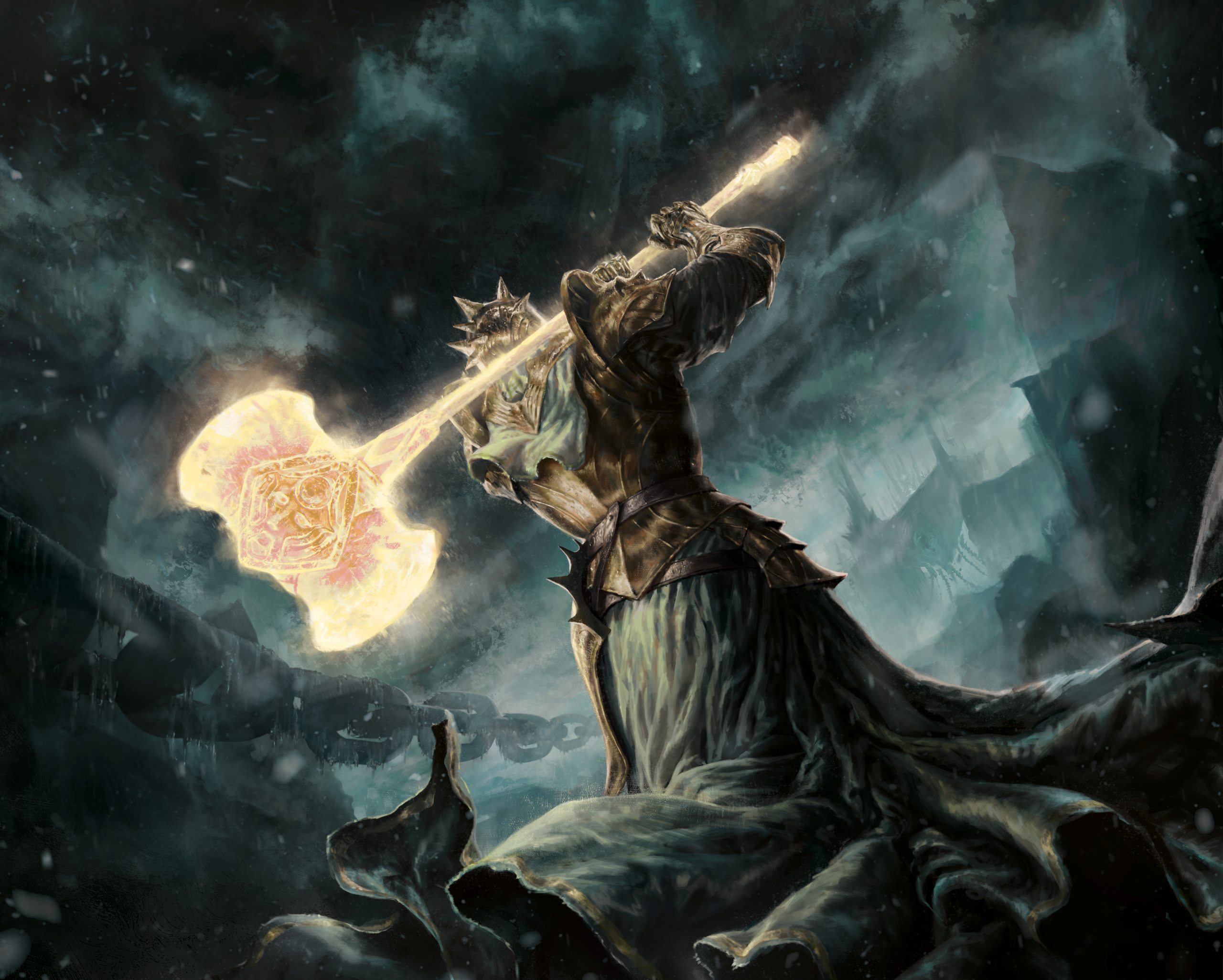
The Rite of the Intermerate defines a Striga as anyone who practises magic outside the blessed traditions of the Triumvirate. It is the Mission of the Intemerate to locate the Striga, wherever they may hide, and destroy them. Unfortunately, although the whole of the Order was aligned with that definition twelve hundred years ago, things have become much less straightforward in the intervening years. Much to the consternation of the Intemerate, the Order has made deals with the Conclave of the Spheres that prevent an all-out war with the mages, for the time being. Under the direction of the Valcarists, the Order has also allowed for the conversion of the faithless, and focused its efforts on enlarging the flock of the Rites, rather than culling those of their enemies.
This more peaceful approach of the Order to the reconquest of Selejia, especially after the debacle of the Luminous Crusade, has left the Intemerates with a reduced sphere of influence, and the second-lowest membership of any of the Rites, ahead of only the Rite of the Ophanim. The Intemerates actually make this a point of pride, saying that only those who are beyond moral reproach and who are especially blessed by the Oathbound Light may join their Rite, unlike the Rite of Honor, for instance, where membership may be guaranteed by one’s bloodline.
If the Rite of the Intemerate was once the tip of the spear, fielding hundreds of soldiers in the war against the enemies of the faith, their duties now lie largely elsewhere. Their first and most important charge is to go beyond the borders of Dynas, to track down and eliminate the Striga who work against the Order and its interests. Technically, this would give them the gods-given right to storm the Islands of Quinvala, the lands of Belyos, or even many of the Sovereign Cities. In practice, they lack the man-power to perform such large-scale military maneuvers against entire cities. Instead, they have become much more focused in their approach, and when they must enter enemy territory, they do so clandestinely. Unlike assassins of the Legion, however, they often leave a gruesome trail behind them when they leave. The Valcarists have had to smooth over more than one diplomatic incident, allegedly caused by the Intemerates.
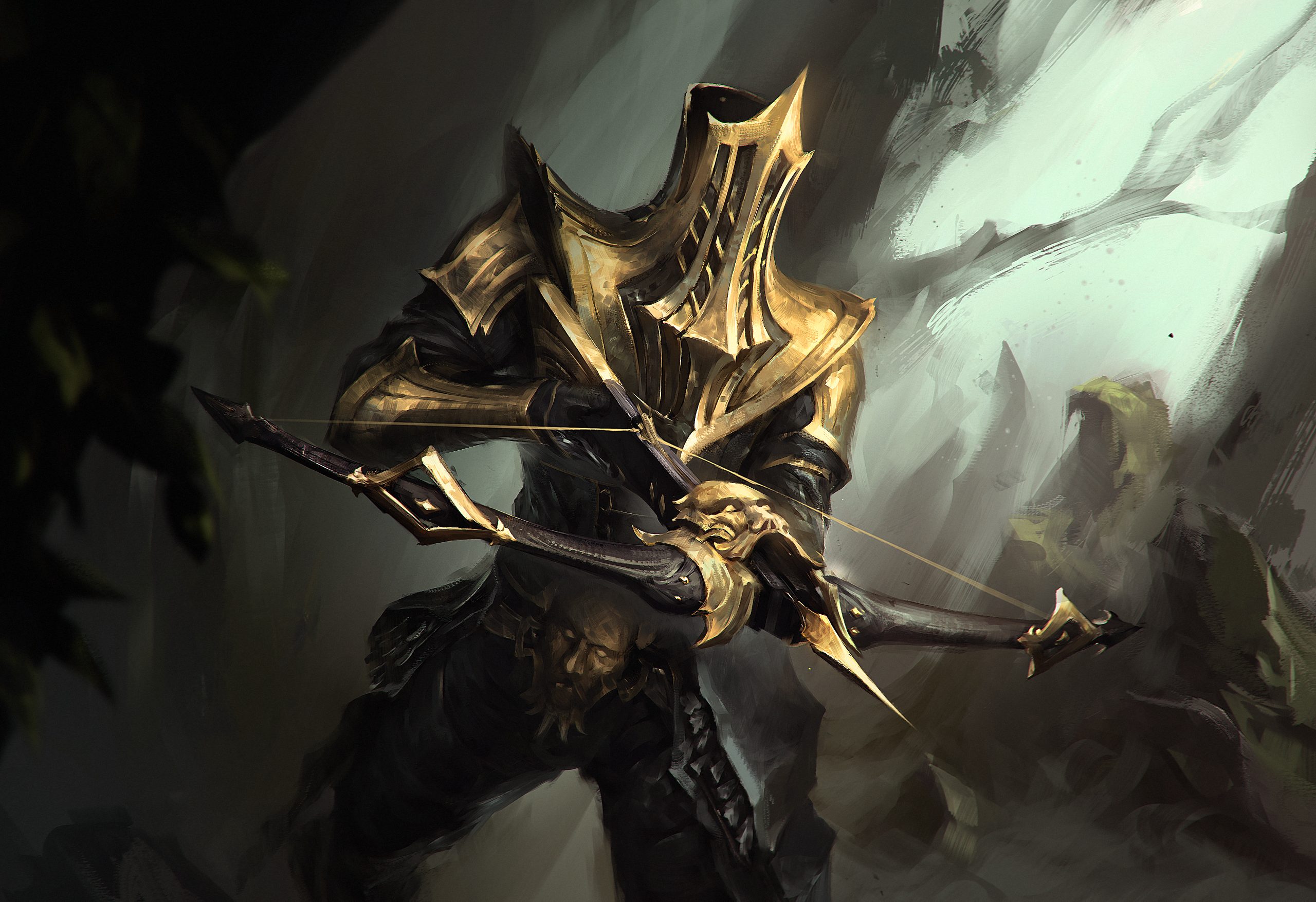
The Striga Hunters of the Intemerates often have much more success in their endeavors beyond the great urban centers of Selejia. They have trained hounds to track the scent left by Liastrum spellcasting, the rot of the Anush-Vah, or to distinguish the blood used by the Primal Blood in their rituals from that shed in battle, along with a hundred other scents. The hunters know their hounds so well they can read which prey the animal has locked onto from their bark, howl, and movements.
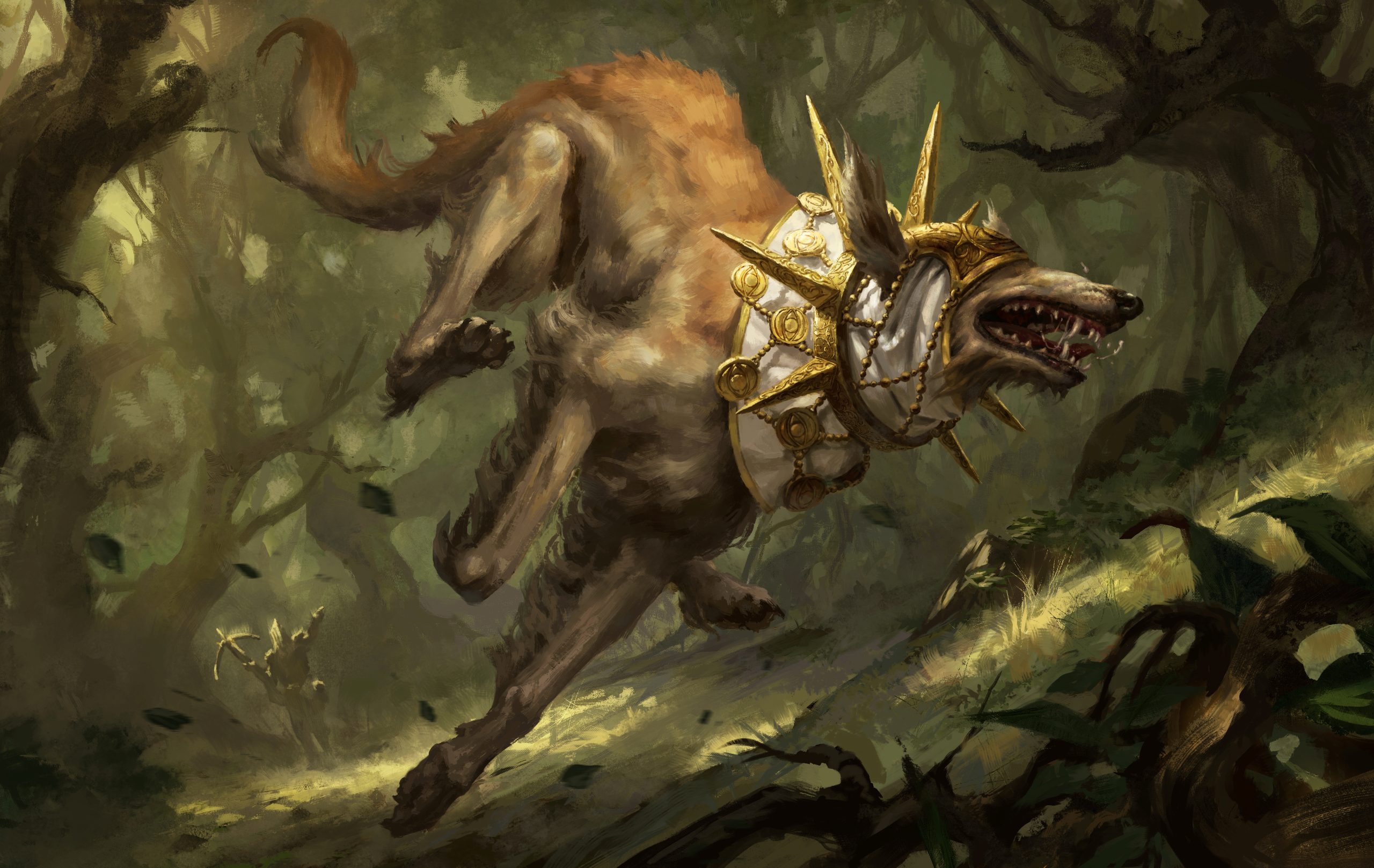
Nowhere does the Rite of the Intemerate perform their duty better than within the Malediction. Here, they have free rein to hunt down Masters of Liastrum, necromancers, and Shamans with no repercussions—and they do so gladly. Members of the Rite are known to enter the Malediction with no goal besides hunting and killing a particular individual, often a Seeker of another faction. If the Intemerates know that a Seeker from the Order is likely to encounter one that has been marked for death by the Rite, a detachment will be sent to join that incursion into the Malediction. When the target is found, they will broker no peace or parley, and will attack with what has been described as “crazed fervor”. They are loyal to their Rite and their mission, not to the Seeker they have followed into battle.
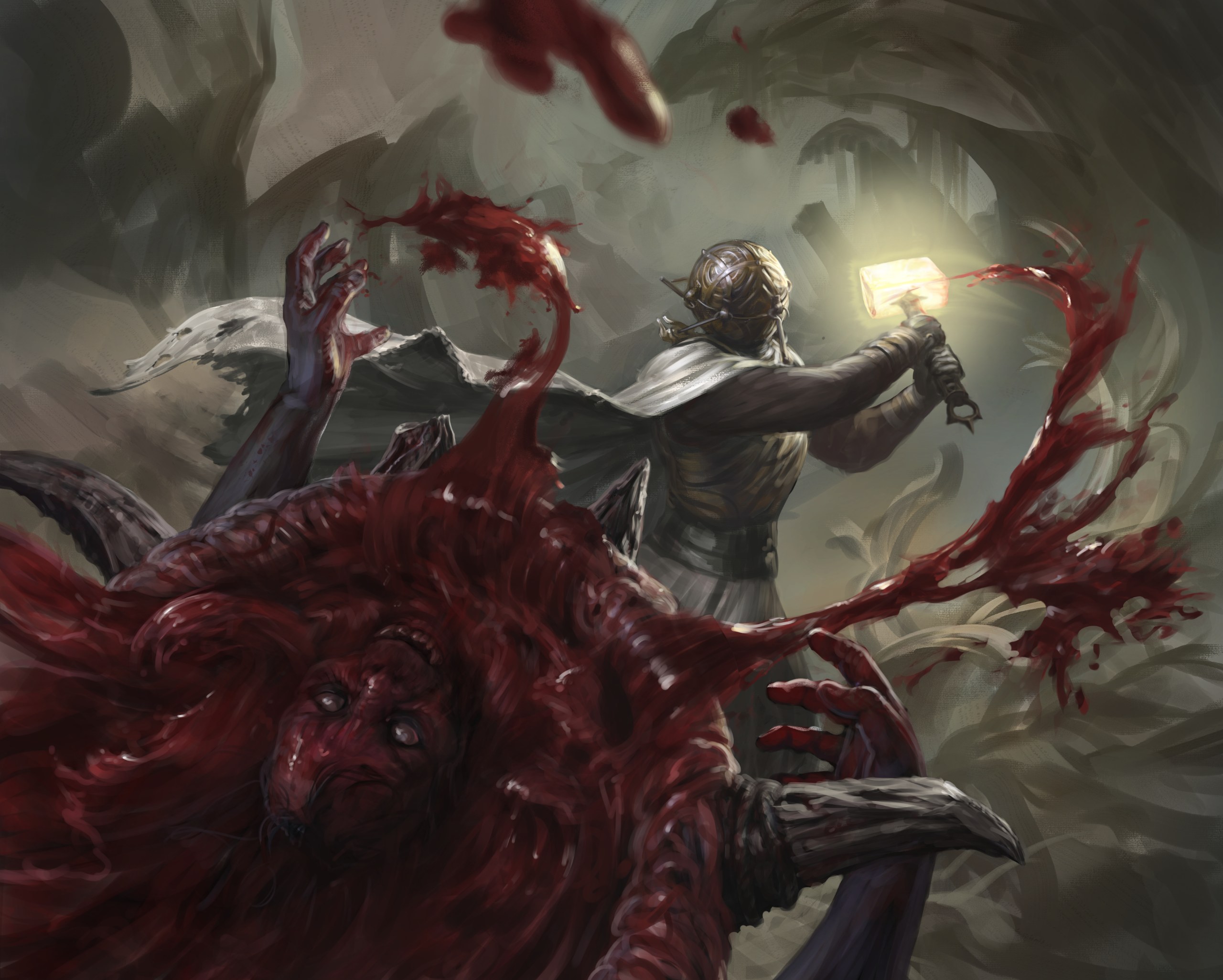
Curiously, most of the Relics and Legacies they find are returned to Reliquary, and remain unused until the Rites as a whole give them a purpose. This is where their second duty lies, for the Order has entrusted them with Reliquary, the holy city where many of the artifacts recovered from the Malediction are stored. The Intemerates consider the power provided by such artifacts, even when they were created by the Triumvirate, too great a temptation, something that risks leading them from their path of purity. A member of the Intemerate will bond with a Relic or Legacy only under strict orders, and usually only for as long as their mission requires. Some of these artifacts are studied, but many, especially those created by the traitor Everlasting, are locked away, only to be touched by the hands of the Lucidi. Purity is said to be able to cleanse them through the Oathbound Light.
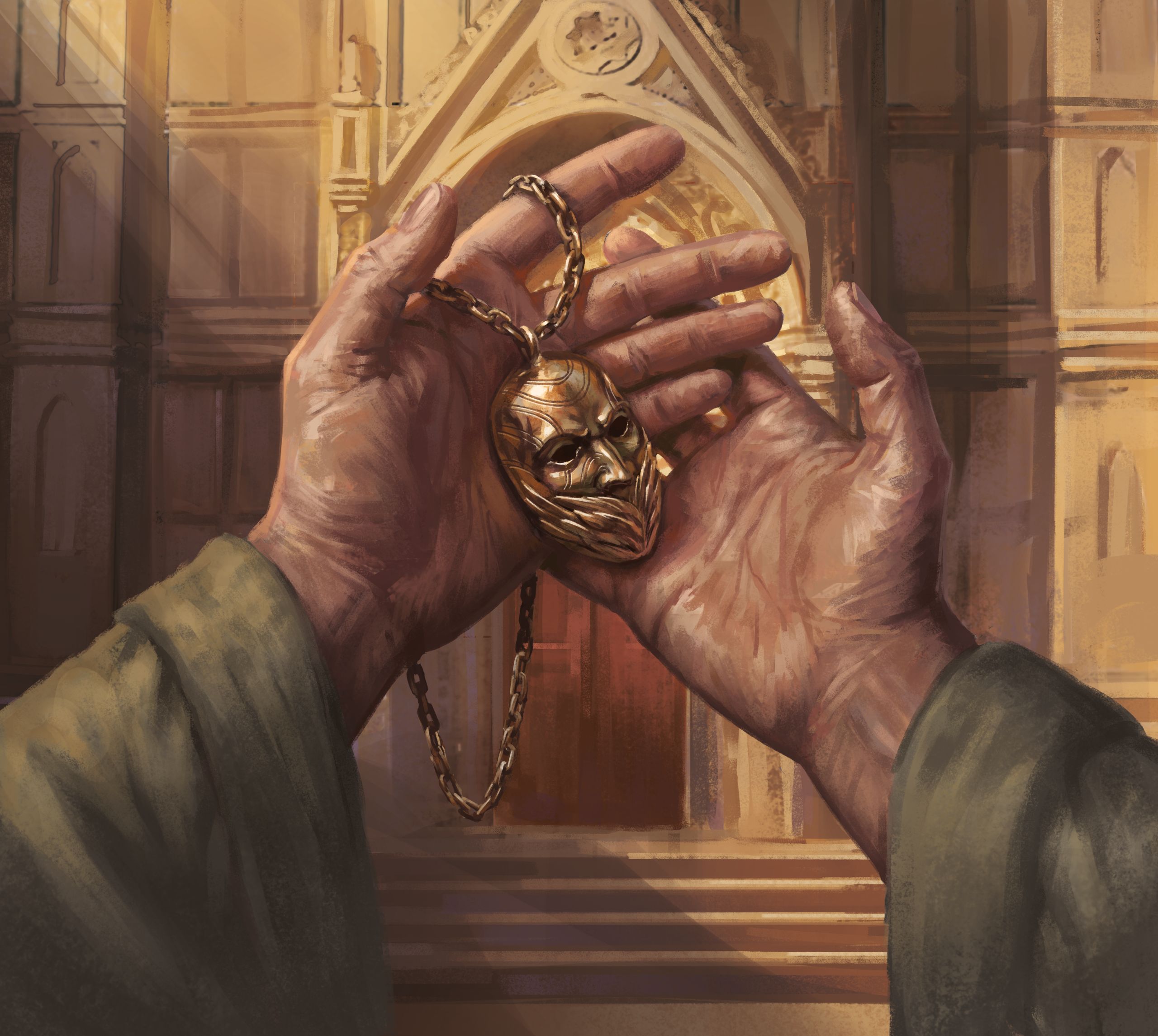
When the Intemerate do make use of Relics, it is often those that allow them to perform their most strenuous tasks. One example is that of capturing an enemy Striga and delivering them to the Penitent for questioning. There are Relics created long ago by Expiatra for this express purpose, and the Intemerate make liberal use of them.
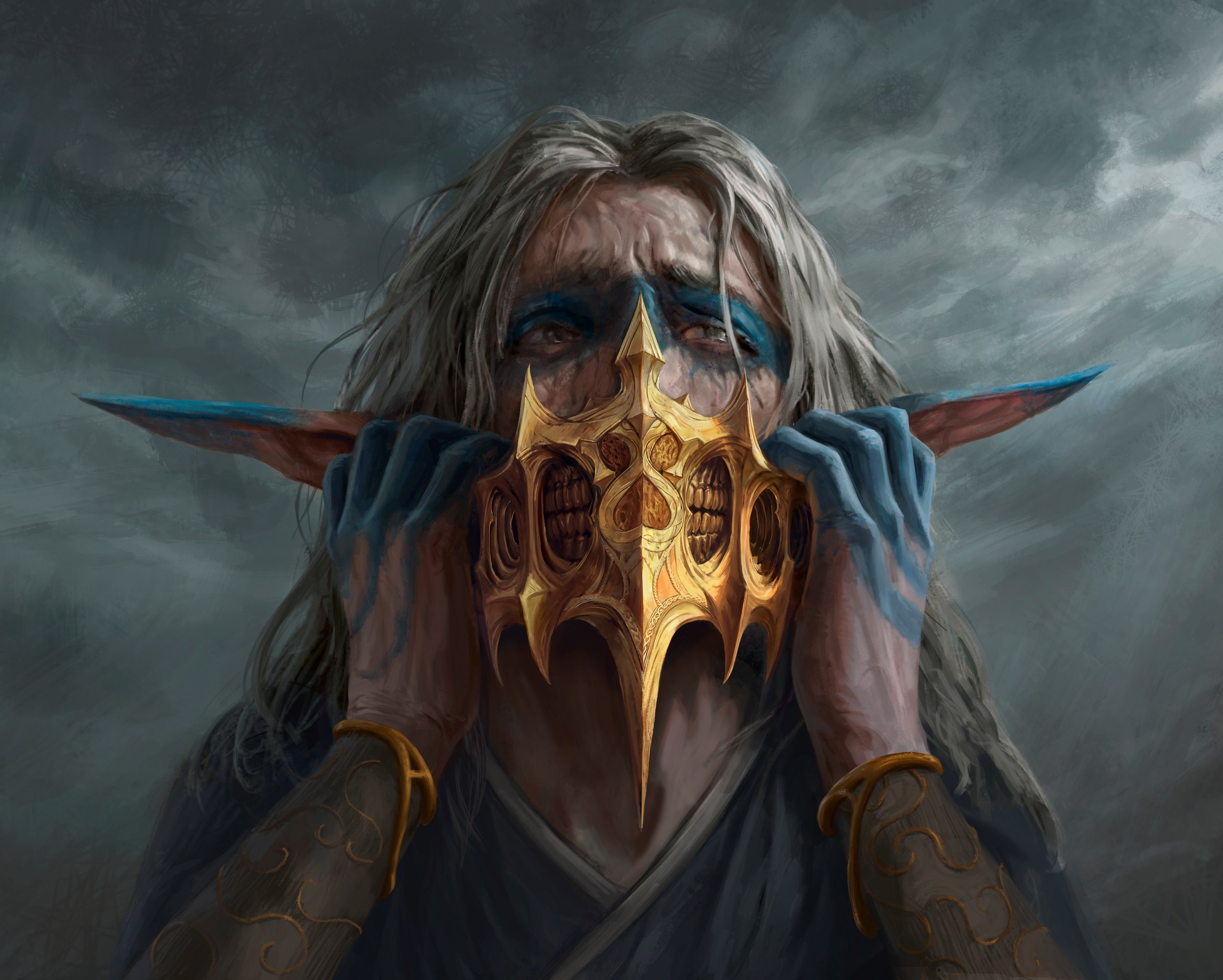
Despite their fall from prominence, the Intemerates are some of the most proactive members of the Order, yearning to bring about the world as envisioned by the Triumvirate. Some would say this is their main weakness, as they will happily ally themselves with any member of the Order that endeavors to eliminate the Striga, with little regard for the consequences of their actions, even within Dynas. Both the Lucidi Purity and Septa Valcador, the Eradicator, have little patience for political games, leaving the Rite somewhat open to the machinations of their would-be allies. Even so, these manipulators are often confounded by the actions of the Intemerates, for they cannot conceive in others the integrity they don’t find in themselves.